1M
NVDA$207.14+3.2%
MSFT$486.19+4.6%
GOOGL$375.19+5.4%
AAPL$303.05-1.9%
AMZN$285.86+5.3%
META$593.44+6.6%
TSLA$323.64+4.0%
IBM$226.69+1.4%
CRM$188.81+2.6%
AMD$480.57+0.9%
AVGO$388.72-0.1%
ARM$236.96-1.1%
TSM$403.29-0.2%
INTC$90.31+0.1%
QCOM$149.23+1.1%
MU$815.37-0.9%
CSCO$115.21-0.7%
ANET$181.33+0.5%
SMCI$28.45+0.2%
ORCL$137.58+5.9%
PLTR$125.14+1.7%
DELL$417.14+2.9%
HPE$49.03+2.4%
PSTG$77.17+2.8%
ALAB$317.11+1.9%
AMAT$511.65+0.8%
LRCX$290.96-0.7%
KLAC$179.81-1.6%
ASML$1,635.04+0.4%
TER$362.31-1.5%
GEV$997.86+0.8%
CEG$272.41+3.7%
UEC$9.82+2.3%
OKLO$41.30+6.4%
SMR$8.92+5.9%
BWXT$172.80+2.4%
VST$153.96+3.9%
D$68.80-0.5%
SO$94.22-0.3%
NEE$86.33-0.7%
CCJ$89.54+3.7%
LEU$183.35+3.6%
BE$217.12+5.5%
KMI$31.66-1.6%
EXC$45.68-0.3%
VRT$258.15+6.9%
ETN$432.93+4.3%
CAT$823.61+1.1%
PWR$674.29+1.0%
EME$814.20+2.1%
URI$1,103.76+2.3%
VMC$278.76+3.8%
J$138.17+2.4%
TT$461.02+1.3%
CARR$62.65+1.4%
JCI$146.68+0.0%
SIEGY$162.90-0.1%
ALB$119.04+1.2%
SQM$66.71-0.5%
LAC$2.97+3.5%
MP$43.73+5.7%
FCX$63.24+1.0%
GLW$145.80+5.5%
SCCO$185.35+1.4%
AA$44.55-1.6%
RIO$95.41-1.5%
VALE$14.57-3.3%
LYSDY$9.80-1.4%
EQIX$1,024.62+0.5%
DLR$191.93+1.8%
AMT$174.17+0.5%
LITE$761.92+6.7%
COHR$287.52+9.4%
CIEN$383.36+1.7%
IRM$124.97+2.2%
CCI$78.36+2.7%
MDB$357.81+6.0%
ADBE$253.37+1.2%
RIVN$15.58+2.4%
DDOG$275.55+2.8%
SNOW$312.84+6.7%
NOW$114.95+3.3%
PATH$13.02+2.0%
CRWD$197.10+3.3%
NVDA$207.14+3.2%
MSFT$486.19+4.6%
GOOGL$375.19+5.4%
AAPL$303.05-1.9%
AMZN$285.86+5.3%
META$593.44+6.6%
TSLA$323.64+4.0%
IBM$226.69+1.4%
CRM$188.81+2.6%
AMD$480.57+0.9%
AVGO$388.72-0.1%
ARM$236.96-1.1%
TSM$403.29-0.2%
INTC$90.31+0.1%
QCOM$149.23+1.1%
MU$815.37-0.9%
CSCO$115.21-0.7%
ANET$181.33+0.5%
SMCI$28.45+0.2%
ORCL$137.58+5.9%
PLTR$125.14+1.7%
DELL$417.14+2.9%
HPE$49.03+2.4%
PSTG$77.17+2.8%
ALAB$317.11+1.9%
AMAT$511.65+0.8%
LRCX$290.96-0.7%
KLAC$179.81-1.6%
ASML$1,635.04+0.4%
TER$362.31-1.5%
GEV$997.86+0.8%
CEG$272.41+3.7%
UEC$9.82+2.3%
OKLO$41.30+6.4%
SMR$8.92+5.9%
BWXT$172.80+2.4%
VST$153.96+3.9%
D$68.80-0.5%
SO$94.22-0.3%
NEE$86.33-0.7%
CCJ$89.54+3.7%
LEU$183.35+3.6%
BE$217.12+5.5%
KMI$31.66-1.6%
EXC$45.68-0.3%
VRT$258.15+6.9%
ETN$432.93+4.3%
CAT$823.61+1.1%
PWR$674.29+1.0%
EME$814.20+2.1%
URI$1,103.76+2.3%
VMC$278.76+3.8%
J$138.17+2.4%
TT$461.02+1.3%
CARR$62.65+1.4%
JCI$146.68+0.0%
SIEGY$162.90-0.1%
ALB$119.04+1.2%
SQM$66.71-0.5%
LAC$2.97+3.5%
MP$43.73+5.7%
FCX$63.24+1.0%
GLW$145.80+5.5%
SCCO$185.35+1.4%
AA$44.55-1.6%
RIO$95.41-1.5%
VALE$14.57-3.3%
LYSDY$9.80-1.4%
EQIX$1,024.62+0.5%
DLR$191.93+1.8%
AMT$174.17+0.5%
LITE$761.92+6.7%
COHR$287.52+9.4%
CIEN$383.36+1.7%
IRM$124.97+2.2%
CCI$78.36+2.7%
MDB$357.81+6.0%
ADBE$253.37+1.2%
RIVN$15.58+2.4%
DDOG$275.55+2.8%
SNOW$312.84+6.7%
NOW$114.95+3.3%
PATH$13.02+2.0%
CRWD$197.10+3.3%
NVDA$207.14+3.2%
MSFT$486.19+4.6%
GOOGL$375.19+5.4%
AAPL$303.05-1.9%
AMZN$285.86+5.3%
META$593.44+6.6%
TSLA$323.64+4.0%
IBM$226.69+1.4%
CRM$188.81+2.6%
AMD$480.57+0.9%
AVGO$388.72-0.1%
ARM$236.96-1.1%
TSM$403.29-0.2%
INTC$90.31+0.1%
QCOM$149.23+1.1%
MU$815.37-0.9%
CSCO$115.21-0.7%
ANET$181.33+0.5%
SMCI$28.45+0.2%
ORCL$137.58+5.9%
PLTR$125.14+1.7%
DELL$417.14+2.9%
HPE$49.03+2.4%
PSTG$77.17+2.8%
ALAB$317.11+1.9%
AMAT$511.65+0.8%
LRCX$290.96-0.7%
KLAC$179.81-1.6%
ASML$1,635.04+0.4%
TER$362.31-1.5%
GEV$997.86+0.8%
CEG$272.41+3.7%
UEC$9.82+2.3%
OKLO$41.30+6.4%
SMR$8.92+5.9%
BWXT$172.80+2.4%
VST$153.96+3.9%
D$68.80-0.5%
SO$94.22-0.3%
NEE$86.33-0.7%
CCJ$89.54+3.7%
LEU$183.35+3.6%
BE$217.12+5.5%
KMI$31.66-1.6%
EXC$45.68-0.3%
VRT$258.15+6.9%
ETN$432.93+4.3%
CAT$823.61+1.1%
PWR$674.29+1.0%
EME$814.20+2.1%
URI$1,103.76+2.3%
VMC$278.76+3.8%
J$138.17+2.4%
TT$461.02+1.3%
CARR$62.65+1.4%
JCI$146.68+0.0%
SIEGY$162.90-0.1%
ALB$119.04+1.2%
SQM$66.71-0.5%
LAC$2.97+3.5%
MP$43.73+5.7%
FCX$63.24+1.0%
GLW$145.80+5.5%
SCCO$185.35+1.4%
AA$44.55-1.6%
RIO$95.41-1.5%
VALE$14.57-3.3%
LYSDY$9.80-1.4%
EQIX$1,024.62+0.5%
DLR$191.93+1.8%
AMT$174.17+0.5%
LITE$761.92+6.7%
COHR$287.52+9.4%
CIEN$383.36+1.7%
IRM$124.97+2.2%
CCI$78.36+2.7%
MDB$357.81+6.0%
ADBE$253.37+1.2%
RIVN$15.58+2.4%
DDOG$275.55+2.8%
SNOW$312.84+6.7%
NOW$114.95+3.3%
PATH$13.02+2.0%
CRWD$197.10+3.3%
AI Strategy
How AI becomes infrastructure • Updated Dec 2025
Infrastructure stack: chips + data centers + power
Sources
AI Strategy brief

AI is becoming a physical infrastructure build — chips, data centers, and power at industrial scale.

This page breaks the AI boom into four pillars you can measure in the real world: (1) compute & packaging (chips, memory, and advanced assembly), (2) data center infrastructure (buildings, power delivery, and cooling), (3) power supply + long-term offtake contracts (gas, nuclear, renewables), and (4) crypto miners pivoting into HPC/AI hosting (reusing sites, power, and operations). In practice, the biggest gating items are usually MW (megawatts of power), grid interconnect approvals, and cooling capacity. [1][2][7]

Liquid cooling adoption (AI data centers)
14% (2024) → 33% (2025e)
TrendForce projection [2]
Transmission lead times (ERCOT example)
$9.384B • ~1,108.8 miles right‑of‑way • 2030–2032
ERCOT board item (Tier‑1) [7]
Financing pressure (selected)
$2.25B CRWV convert • up to $4.9B APLD right
CoreWeave investor update + APLD SEC filing (S‑3) [5][4]
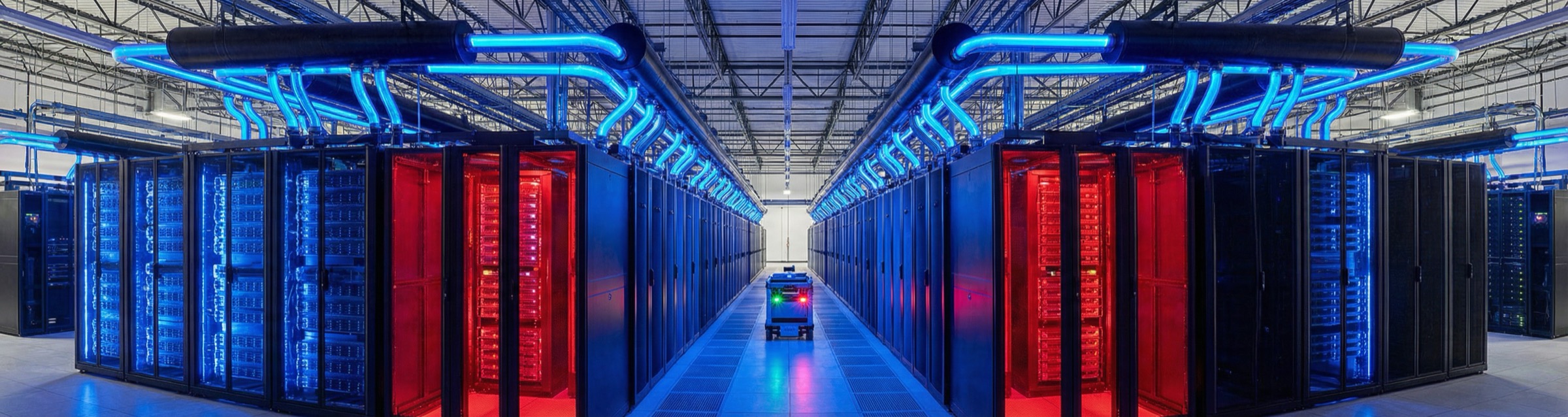
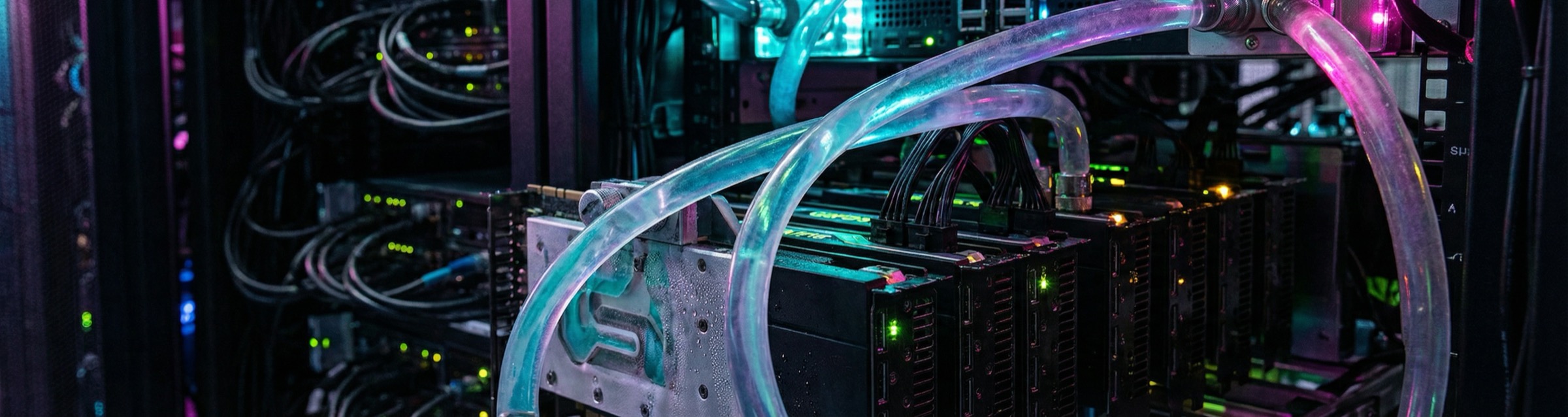
Server racks and cooling infrastructure in a modern data center
Compute → Power → Cooling
The “AI factory” is physical.
The bottleneck question
Markets can swing while construction continues. The operational question is simple: who secures MW (power) + interconnect approval + cooling service capacity fastest, at an acceptable cost of capital? [6][1]
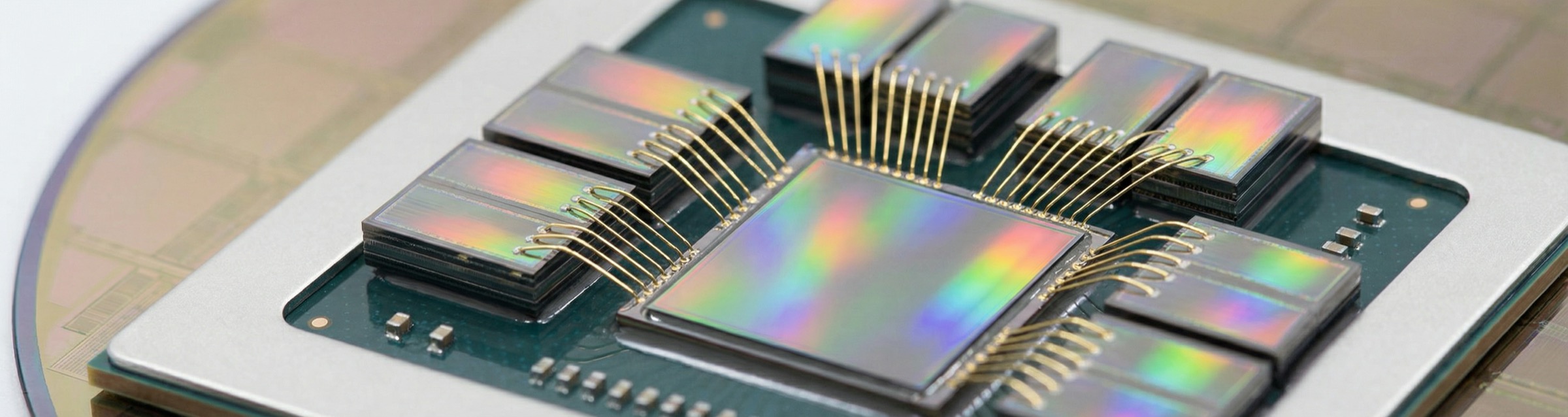
Advanced semiconductor packaging and high-density computing
Compute Chips, memory, networking — the demand engine.
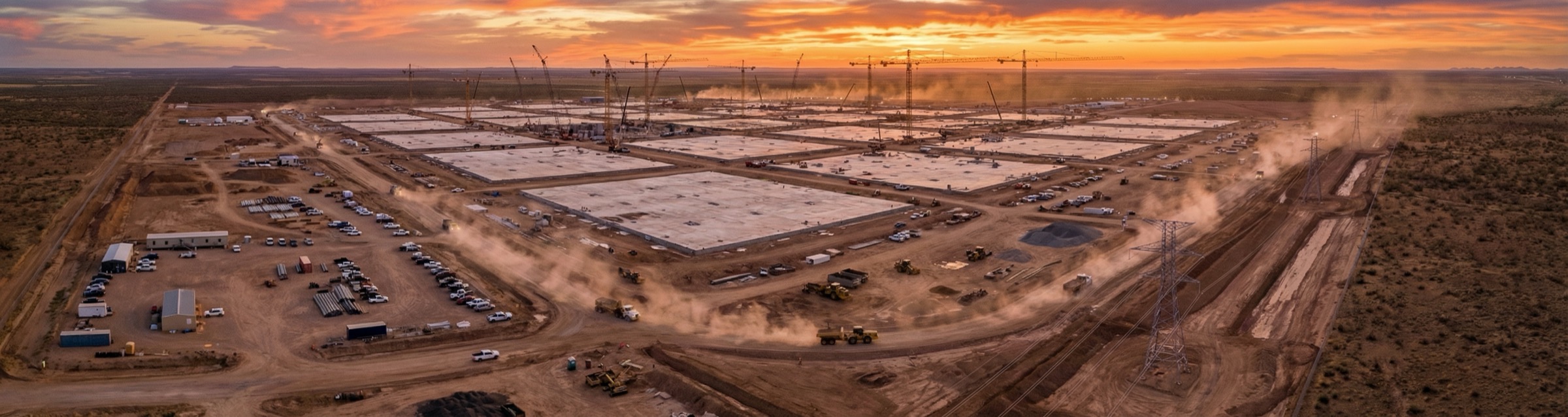
Large-scale data center construction at sunset
Data centers Buildings, power delivery, and cooling — the factory floor.
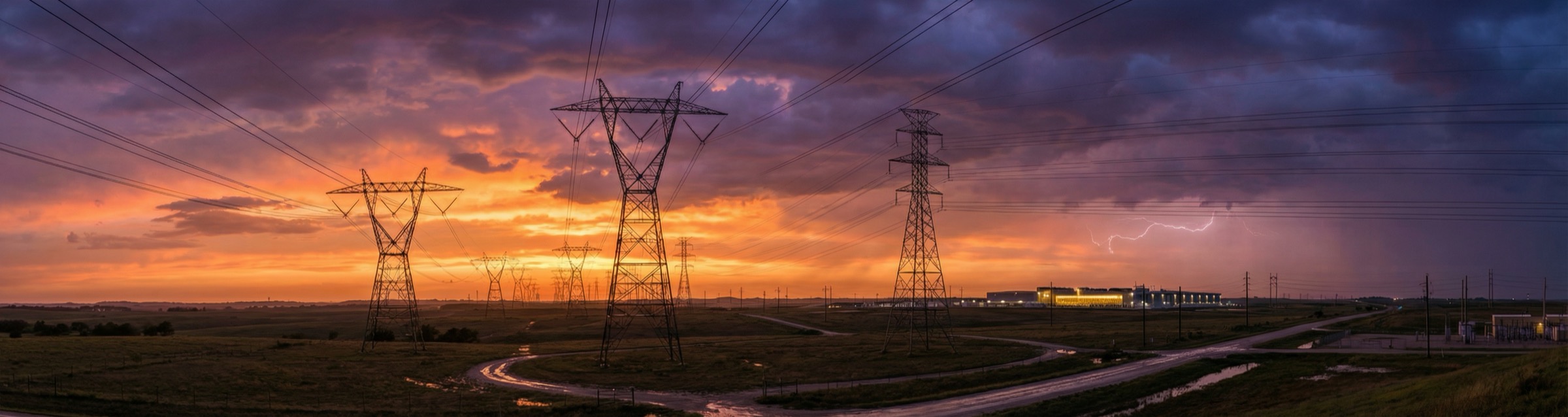
Transmission lines and grid infrastructure
Power & grid Interconnect queues and lead times — what slows projects down.

Confirmed signals (high decision value)

These are confirmed items from primary documents or reputable reporting that change timelines, cost, or execution risk. If you’re skimming, this section is the fastest way to update your mental model.

Pillar 3
High signal

“All-of-the-above” power procurement is back

Big Tech is leaning harder on gas and nuclear alongside renewables as grid delays and timing risk rise. That shifts the advantage toward dispatchable / baseload power (energy you can count on when you need it) and the contract mechanics of who pays for upgrades, interconnect, and reliability. [1]

Impact path Timing • Risk • Revenue visibility
Sensitivity CEG / VST / TLN / EQT
Pillar 2
Unit economics shift

Liquid cooling moves to scaled deployment

TrendForce projects liquid cooling penetration in AI data centers rising from 14% (2024) to 33% (2025e), driven by GB200-class rollouts. Practically: hotter racks push more spending into pumps, piping, controls, and ongoing installation/maintenance. [2]

Implication More balance‑of‑plant spend per MW + recurring services
Sensitivity MOD (+ ecosystem: VRT / ETN / JCI)
Pillar 2
Standardization

CDU interoperability is being standardized

Nidec highlighted Project Deschutes CDU prototypes based on Google’s OCP specification. A CDU (coolant distribution unit) is the plumbing “hub” for liquid-cooled racks—so standards matter because they reduce one-off engineering and speed deployment. [3]

Implication Certification becomes a gate; service capacity becomes the moat
Sensitivity Cooling OEMs + field service consolidators
Pillar 4
Primary

APLD financing structure: scale potential, complexity risk

APLD’s S‑3 (SEC filing) describes an initial closing of 112,500 preferred units ($112.5M) and a right to invest up to an additional $4.9B under an amended Unit Purchase Agreement (UPA). Staged funding can accelerate construction—but the details (triggers, controls, and dilution) matter. [4]

Implication Phase-funding can accelerate MW build; monitor dilution/terms
Sensitivity APLD (and peers’ cost of capital)
Pillar 4
Primary

CRWV upsized $2.25B convertible notes (capital intensity)

CoreWeave priced an upsized $2.25B convertible senior notes offering (due 2031), scheduled to settle Dec 11, 2025. Converts are a common growth tool—but they make outcomes more sensitive to rates and equity pricing. [5]

Implication Growth runway extends; equity becomes more financing-sensitive
Sensitivity CRWV / broader GPU cloud provider complex
Pillar 3
Primary

ERCOT quantifies transmission reality (multi‑year gate)

ERCOT’s Tier‑1 Eastern Backbone recommendation cites ~$9.384B estimated cost and ~1,108.8 miles of new right‑of‑way (ROW), with expected in-service 2030–2032. This is what “grid lead times” means in practice. [7]

Implication Transmission timelines anchor data center delivery realism
Sensitivity Power access thesis across all pillars
Market tone check (context, not thesis)
Oracle’s capital‑spending-driven “AI jitters” episode is a reminder: the physical build can persist while equity multiples compress. Treat cost of capital as a first-order KPI for levered builders. [6]

Pillar dashboards (the stack, explained)

Each pillar is a “real world” constraint: what gets tight, what gets expensive, and what tends to decide timelines.

Pillar 1
Compute & packaging

Compute intensity stays the driver

  • AI cluster growth keeps pressure on advanced packaging (how chips are assembled), memory, and optics (high‑speed networking).
  • Stock prices can move faster than build schedules—look for real confirmation in bookings, backlog, and delivery commentary.
AVGOINTCONTO
Pillar 2
DC infrastructure

Cooling becomes a services story

  • As liquid cooling ramps (14%→33%), the “bill of materials” shifts toward pumps, manifolds, heat exchangers, and controls—and then into install + maintenance.
  • Interoperability specs (OCP/Deschutes) can narrow vendor lists; watch who gets certified and who owns lifecycle service capacity.
MODVRTETN
Pillar 3
Baseload / clean power

MW access + contracting terms are the moat

  • To hit timelines, teams blend fast‑to‑build dispatchable supply (gas) with longer‑duration clean supply (nuclear/renewables) under long-term contracts.
  • Interconnect is not optional: transmission, substations, and right‑of‑way lead times set the delivery clock.
CEGVSTTLNEQT
Pillar 4
Miners → HPC/AI hosting

Financing + execution = survival filter

  • Scale builds are feasible with structured capital and converts—but terms, covenants, and cost of capital often decide the winners.
  • Track contract quality: take‑or‑pay (minimum payments), step‑in rights (what happens if one side fails), and counterparty strength.
APLDIRENCORZCRWV
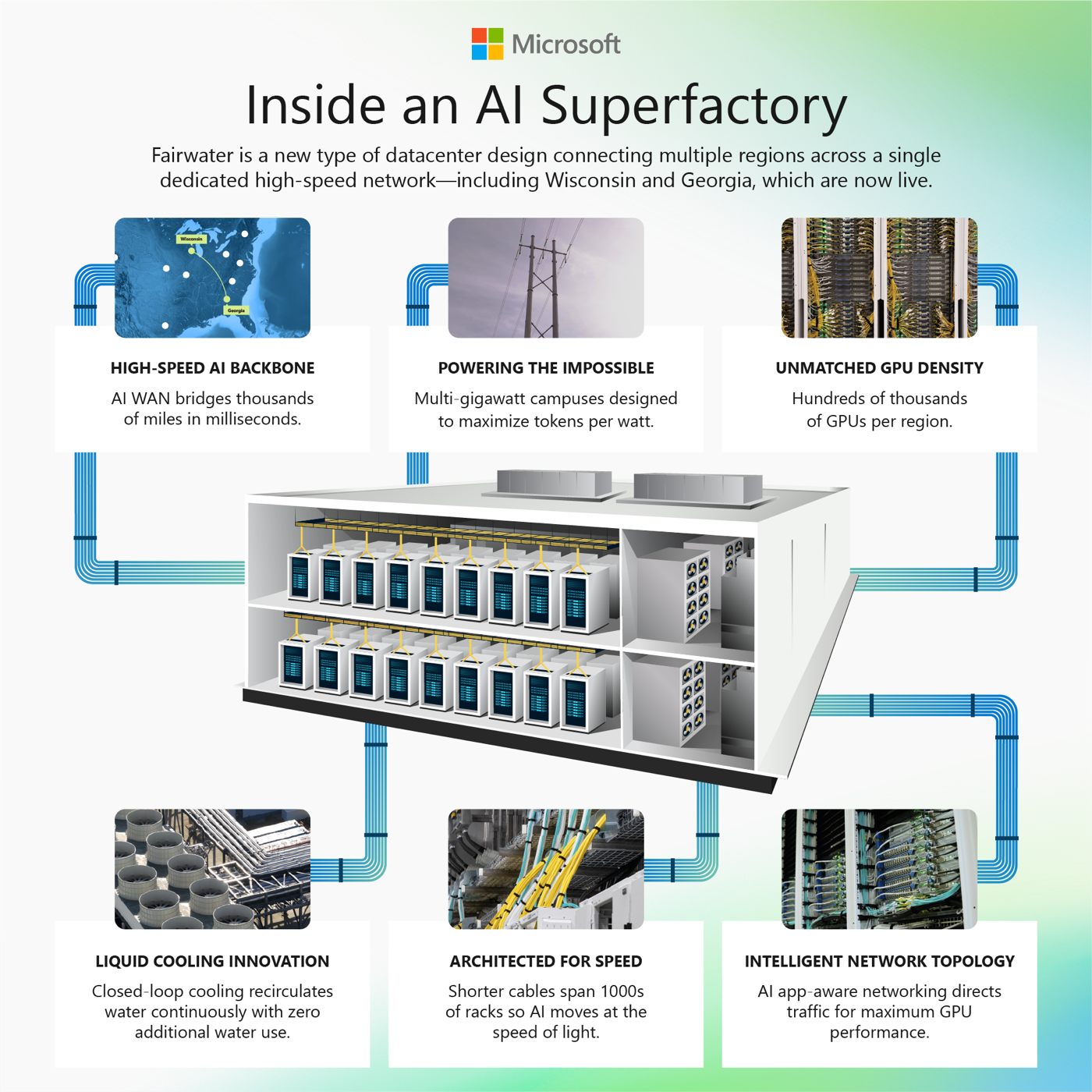
Infographic: Inside an AI superfactory
Illustrative infographic

What is an “AI superfactory”?

Think of it like a power‑hungry factory for computation: many buildings of servers, connected by high‑speed networking, fed by dedicated power infrastructure, and cooled like industrial equipment. When companies announce a big AI campus, the limiting steps are rarely the walls—they’re usually power delivery, interconnect approvals, and cooling installation/maintenance capacity.

This is why AI strategy is increasingly infrastructure strategy: procurement, construction sequencing, and service logistics matter as much as the model roadmap.

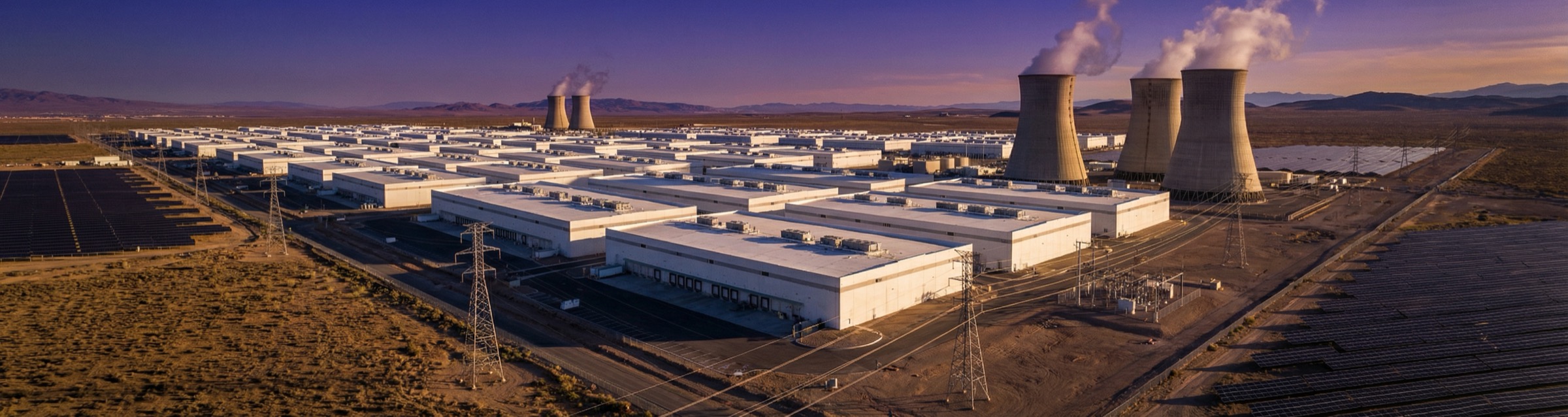
Large industrial power infrastructure near a data center campus
Illustrative image

Why the grid wins (and why that’s investable)

Transmission, substations, and equipment lead times set the delivery clock. ERCOT’s Tier‑1 765‑kV plan provides a concrete example: multi‑year builds and multi‑billion-dollar cost. The nearer-term bottleneck often becomes substation capacity + transformer/switchgear availability, not just generation. [7]

This is why the AI story isn’t only chips: power delivery, EPC (engineering + construction), and the contractual “who pays” mechanics can be decisive.

Charts & metrics (a few anchor numbers)

These charts use only numbers explicitly stated in cited sources. Think of them as “orientation,” not forecasts.

Cooling
TrendForce

Liquid cooling penetration (AI data centers)

TrendForce projects penetration rising from 14% (2024) to 33% (2025e). [2]
Grid
ERCOT

ERCOT 765‑kV “Eastern Backbone” (Tier‑1 example)

ERCOT staff recommendation cites $9.384B estimated cost and ~1,108.8 miles of new right‑of‑way (ROW); expected in-service 2030–2032. [7]
Financing
Primary

Selected capital intensity markers

CRWV: $2.25B convertible notes offering (due 2031). APLD: initial $112.5M preferred units and right to invest up to $4.9B under an amended unit purchase agreement (UPA). [5][4]
Cooling services
M&A signal

Services + thermal consolidation (context)

M&A is a recurring signal that “cooling” is moving from a one-time hardware purchase to lifecycle services and systems integration. Examples include Vertiv’s announced plan to acquire PurgeRite (~$1B, per Reuters) and Eaton’s Boyd Thermal deal ($9.5B, per Reuters / Eaton). [10][11]

Vertiv ↔ PurgeRite
Field services + fluid management in DC cooling
Eaton ↔ Boyd Thermal
Power + thermal stack convergence for data centers

Core coverage snapshot

A fast-reading table: what each name represents, what changed recently, a 3–6 month view, and the single biggest way the thesis breaks.

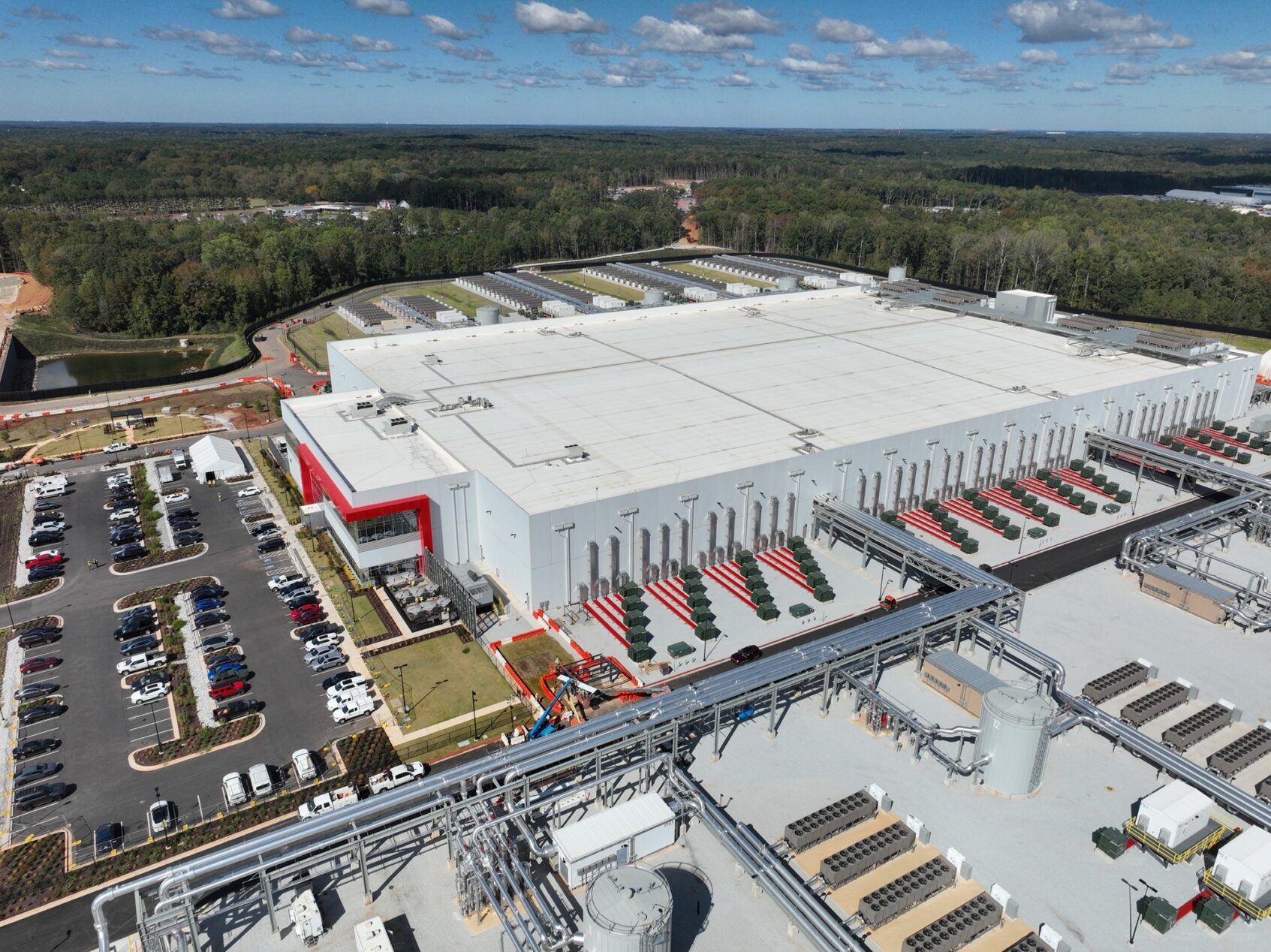
Aerial view of a large data center facility
What “scale” looks like

From “AI demand” to concrete projects

The market often talks about AI in abstract terms. On the ground, it turns into site selection, substation studies, equipment orders, and construction sequencing. The table below is a quick lens on where different companies sit in that stack—and which failure mode matters most for each.

If you only track one thing: follow the power + interconnect timeline as closely as you follow the chip roadmap.

Ticker Role in thesis Recent highlight 3–6 month stance Top risk
CEG P3 baseload/clean + contracting Calpine-related exchange offer timeline: Early tender/withdrawal deadline Dec 22, 2025; expiration Jan 8, 2026. [9] Positive Regulatory + integration + power price volatility
VST P3 dispatchable/merchant + contracting “All-of-the-above” power strategy raises value of dispatchable MW amid grid delays. [1] Positive Policy / cost allocation / rate class backlash
TLN P3 reliability + PJM narrative (select assets) DOE 202(c) order 202‑25‑6A for PJM/Wagner continues until Dec 31, 2025 (per DOE page). [8] Positive Regulatory/operational events; precedent risk
EQT P3 gas supply optionality “All-of-the-above” implies near-term gas demand relevance for AI load build. [1] Positive Gas price + regional price spreads (basis)
MOD P2 thermal/cooling leverage Liquid cooling adoption ramp supports attach + service ecosystem expansion. [2][3] Positive Competitive intensity; execution on programs
ONTO P1 inspection/metrology leverage December signal mainly macro: watch capex confirmation vs sentiment noise. [6] Neutral Wafer‑fab equipment cycles; customer capex timing
INTC P1 compute/platform + packaging December: keep focus on execution milestones rather than “AI tape” volatility. [6] Cautious Execution vs peers; margin/roadmap
AVGO P1 networking/custom silicon AI sentiment wobble is valuation risk; watch confirmations in order commentary/filings. [6] Positive Order volatility via hyperscaler cadence
APLD P4 HPC hosting build (structured capital) $112.5M initial preferred units; right to invest up to $4.9B; warrants mechanics described. [4] Speculative Funding timing, dilution/terms, execution
IREN P4 mining→HPC optionality December is chiefly macro/sentiment; treat cost of capital as gating variable. [6] Speculative BTC exposure + capex funding
CORZ P4 hosting optionality December is chiefly macro/sentiment; contracts + power access decide outcomes. Speculative Execution + counterparty + power availability
CRWV P4 AI cloud build $2.25B upsized convert (due 2031) underscores financing sensitivity. [5] Cautious Leverage/financing sensitivity; concentration
Adjacency watchlist (related signals)
Related signals worth tracking: NextEra + Meta disclosed ~2.5 GW clean energy contracts (11 PPAs + 2 ESAs). [12] Cooling services consolidation and power+thermal convergence: Reuters noted Vertiv/PurgeRite and Eaton/Boyd Thermal. [10][11]

Late Dec 2025 / early Jan 2026 calendar (dated items)

These are explicit dated deadlines in cited primary sources. Use them as “checkpoints” for confirmation, not as predictions.

CEG (Calpine notes) — exchange offer timeline

  • Dec 22, 2025: Early Tender + Withdrawal Deadline (5:00pm NYC) [9]
  • Jan 8, 2026: Expiration Date (5:00pm NYC) [9]
Why it matters: capital structure + transaction cadence visibility.

TLN (PJM / Wagner) — DOE emergency order window

  • Oct 26 → Dec 31, 2025: DOE emergency order 202‑25‑6A effective window (per DOE page). [8]
Why it matters: reliability precedent + operational/earnings sensitivity (context-dependent).

CRWV — convertible offering

  • Dec 11, 2025: Notes settlement date (subject to customary conditions). [5]
Why it matters: financing runway; watch subsequent disclosures and market reception.

ERCOT — 765‑kV STEP board process (context)

  • Board item documents date to Dec 1, 2025 and reference board meeting Dec 8–9, 2025. [7]
Why it matters: transmission is a multi‑year gate; permitting/certificates (CCNs) and cost allocation drive economics.

Key risks & fault lines

Where projects slip (or fail): financing, grid timelines, and operational capacity.

Cost of capital shock

AI infrastructure is capital‑intensive. If rates rise or markets tighten, builders can’t fund equipment and construction even if demand stays strong. Treat “cost of capital” as an operational bottleneck, not a finance footnote. [6]

Most exposed CRWV / APLD / IREN / CORZ

Interconnect + transmission reality

“Interconnect” is the permission + engineering work needed to connect a large new load to the grid. It often implies substation upgrades, new equipment, and (sometimes) new transmission. ERCOT’s $9.384B / 2030–2032 example shows why timelines can stretch. [7]

Most exposed All pillars (esp. site developers)

Cooling service capacity & interoperability

Scaling liquid cooling requires not just hardware but installation, commissioning (bringing systems online), and maintenance. Standards help reduce custom engineering—but they can also concentrate demand into certified vendors and their service networks. [3][2]

Most exposed MOD + infra OEM ecosystem

Monitoring kit (weekly checklist)

A simple checklist you can run weekly/monthly to stay grounded in what’s actually happening (links in Sources).

Weekly KPIs (max signal)

  • Liquid cooling adoption and attach-rates (how often liquid cooling ships with new deployments) [2]
  • CDU interoperability milestones and certified vendor lists [3]
  • Transmission planning updates with cost + in-service dates (ERCOT example) [7]
  • Large-load policy changes & emergency orders (DOE 202(c) page) [8]
  • Financing cadence: converts, shelf registrations, and staged‑funding triggers (CRWV/APLD docs) [5][4]

What to watch (plain English)

Contract structures
Take‑or‑pay (minimum payments), step‑in rights (what happens on default), termination economics (read filings).
“Who pays” risk
Tariffs, cost allocation, and “behind‑the‑meter” power (private generation tied directly to the site).
Execution bottlenecks
Substations, transformers, EPC (engineering/construction) staffing, commissioning schedules.
Quick glossary (so the jargon stays friendly)
  • MW: megawatts of power capacity (how big the electricity need is).
  • Interconnect: the process + approvals to connect a large load to the grid.
  • ROW: right‑of‑way—land access for transmission lines.
  • CDU: coolant distribution unit—the liquid cooling “hub” feeding racks.
  • OCP: Open Compute Project—an ecosystem that publishes hardware specs/standards.
  • EPC: engineering, procurement, construction—the team that builds the site.
  • Offtake: a long‑term purchase contract for power.
  • Take‑or‑pay: contract terms requiring minimum payments even if usage is lower.
  • Step‑in rights: contract rights allowing a party to take control if another party fails.

Sources

Bracketed numbers throughout the page link to the references below. Use these to verify claims or go deeper.

  1. Reuters — “Big Tech shifts to ‘all of the above’ strategy to power AI” (Dec 11, 2025)
  2. TrendForce — “Liquid Cooling to Scale in AI Data Centers… penetration 14% (2024) → 33% (2025)” (Aug 21, 2025)
  3. Nidec — Project Deschutes CDU prototypes based on Google OCP specification (Dec 3, 2025)
  4. Applied Digital (APLD) — Form S‑3 (Dec 5, 2025): $112.5M initial preferred units; right to invest up to $4.9B; 2.4M warrants
  5. CoreWeave (CRWV) IR — $2.25B convertible notes offering (settlement Dec 11, 2025)
  6. Reuters — Nasdaq slips as Oracle reignites AI jitters (Dec 11, 2025)
  7. ERCOT — Item 14.1 (Dec 1, 2025): $9.384B cost; ~1,108.8 miles of right‑of‑way (ROW); expected in-service 2030–2032
  8. U.S. DOE — Federal Power Act Section 202(c): PJM Interconnection (includes 202‑25‑6A through Dec 31, 2025)
  9. Constellation (CEG) — Exchange offers/consent solicitations for Calpine notes (Dec 9, 2025): Dec 22 deadlines; Jan 8 expiration
  10. Reuters — Vertiv to acquire PurgeRite for about $1B (Nov 3, 2025)
  11. Reuters — Eaton to buy Boyd thermal business for $9.5B (Nov 3, 2025) Eaton press release (primary)
  12. NextEra Energy Resources + Meta — ~2.5 GW clean energy contracts (11 PPAs + 2 ESAs) (Dec 8, 2025)